A camera frame is a physical limit. At the edge of a ridge, beside a trail or across wildlife habitat, you cannot include everything that explains the scene. The planning problem is deciding what deserves space: the athlete's movement, the slope that makes it difficult, the people affected by the activity or the habitat that bounds the image.
This constraint connects different kinds of outdoor photography. A climber, river guide and nesting bird may require different distances, lenses and shutter speeds, yet each image becomes more honest when the frame shows the conditions around its subject. The goal is not to make every photograph wide, but to make the chosen viewpoint explain what happened.
Let the frame explain the physical challenge
Action is easy to recognize when a subject is airborne, leaning into a turn or throwing spray. Context is harder. A tight frame can show effort while hiding the rock, water, exposure or weather that gives the movement meaning.
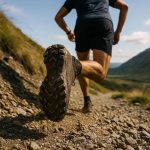
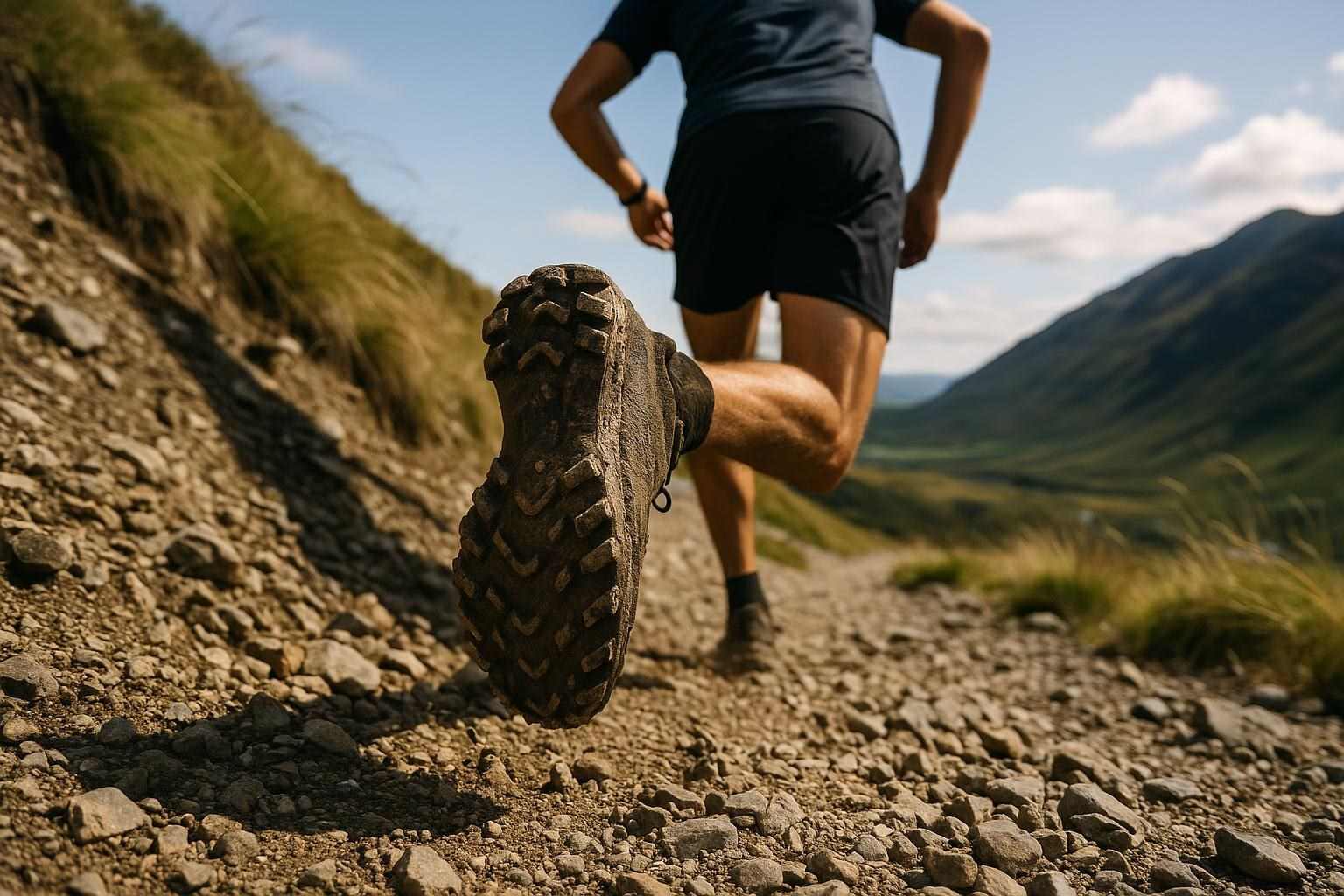
Before shooting, identify the environmental fact that changes the action. Is the runner navigating loose ground? Is the paddler working against current? Is the cyclist climbing a visible grade? Place that fact somewhere in the composition, even if it occupies only a strip of the frame. A sloping trail, broken surface or wind-blown vegetation can explain more than an exaggerated facial expression.
Ask whether the subject would appear to be doing the same thing if the surroundings were removed. If so, widen the view or change position until the terrain contributes to the account.
Use distance as a storytelling tool
Lens choice changes more than magnification. It determines the relationship between the subject and its setting.
A longer lens can isolate a skier against snow or compress a hiker with a distant mountain, helping when the background is confusing. It can also flatten distance and make a manageable route look more dramatic than it was. A wider view preserves scale and connection, but requires care at the edges, where stray people, equipment and bright patches can weaken the image.
Choose your working distance before the decisive moment. If the story depends on scale, move back and let the subject occupy less of the frame. If it depends on technique, a tighter view may be justified, provided it does not erase the setting. Do not move closer simply because the subject is small. In shared outdoor spaces, leave a safe, unobstructed route for participants and other visitors.
Build action composition around a before-and-after
A strong action frame often contains more than the peak instant. It suggests what led to the movement and what may happen next.
Look for lines that lead into the subject: a trail, rope, wake, shadow or footprints. Leave space in the direction of travel when it reveals the route, landing zone or next decision. A compressed composition can instead communicate a difficult passage when rock, trees or weather box the subject in.
Timing still matters. Use a fast shutter speed when a sharp gesture is the story; accept blur when direction and rhythm matter more than frozen detail. Panning can retain a recognizable environment while making speed visible, but it should support the scene rather than turn every image into an effect.
Review the edges before the action starts. Bright clothing from another group, a cut-off safety feature or an awkward branch can change the photograph's meaning. Composition is not only about where the subject lands, but what the rest of the frame says.
Treat landscape context as evidence
A landscape is not merely a backdrop. It can document access, risk, season, human impact and the limits imposed by weather or terrain.
Include signs that clarify the relationship between people and place: a maintained path, working access road, crowded viewpoint, damaged vegetation or broad undisturbed area. Avoid visual drama that misrepresents scale. A low viewpoint, extreme wide-angle perspective or heavy crop can make a small feature appear dominant, so consider whether the image will be read as observation or spectacle.
Sequence can solve what one frame cannot. Pair a close action photograph with a quieter establishing view, a surface detail or a frame showing the subject's route. Captions should identify what is visible and provide necessary context without claiming what the image cannot establish. If a location is sensitive, omit precise details that could encourage crowding or disturbance.
Apply the same restraint to wildlife
Wildlife photography has the same limited-frame problem. A close portrait can be compelling while hiding the distance, habitat and human pressure surrounding the animal.
Let the animal's behavior set the boundary. Do not approach, corner, call, feed or alter the environment for a cleaner composition. If the subject changes direction, shows stress, abandons a feeding area or repeatedly watches you, increase distance and stop treating the moment as an opportunity. The best viewpoint may leave more habitat visible and the animal less visually dominant.
Rules for protected land, nesting areas, drones, access and seasonal closures can change. Check current guidance from the relevant land manager or wildlife authority before working in a sensitive area, and follow posted restrictions even when a photograph seems harmless. Avoid publishing exact locations for vulnerable species when disclosure could pressure the site.
Make one frame answer one clear question
Editing becomes easier when each photograph has a job. Ask what a viewer should learn: how difficult was the route, where did the movement occur, what human system surrounds the subject, or how much space does the animal need?
A useful field check is short:
– What physical feature explains the action?
– Does the frame show enough distance to establish scale?
– Are the edges free of distractions and unsafe positioning?
– Have I changed the subject's behavior by seeking this view?
– Would a caption or companion frame prevent a misleading reading?
The answers may lead to a wider photograph, a tighter one or no photograph at all. Working against a fixed frame forces choices. When action, terrain and responsibility remain visible together, the image records not just a dramatic instant, but the conditions that made it possible.